
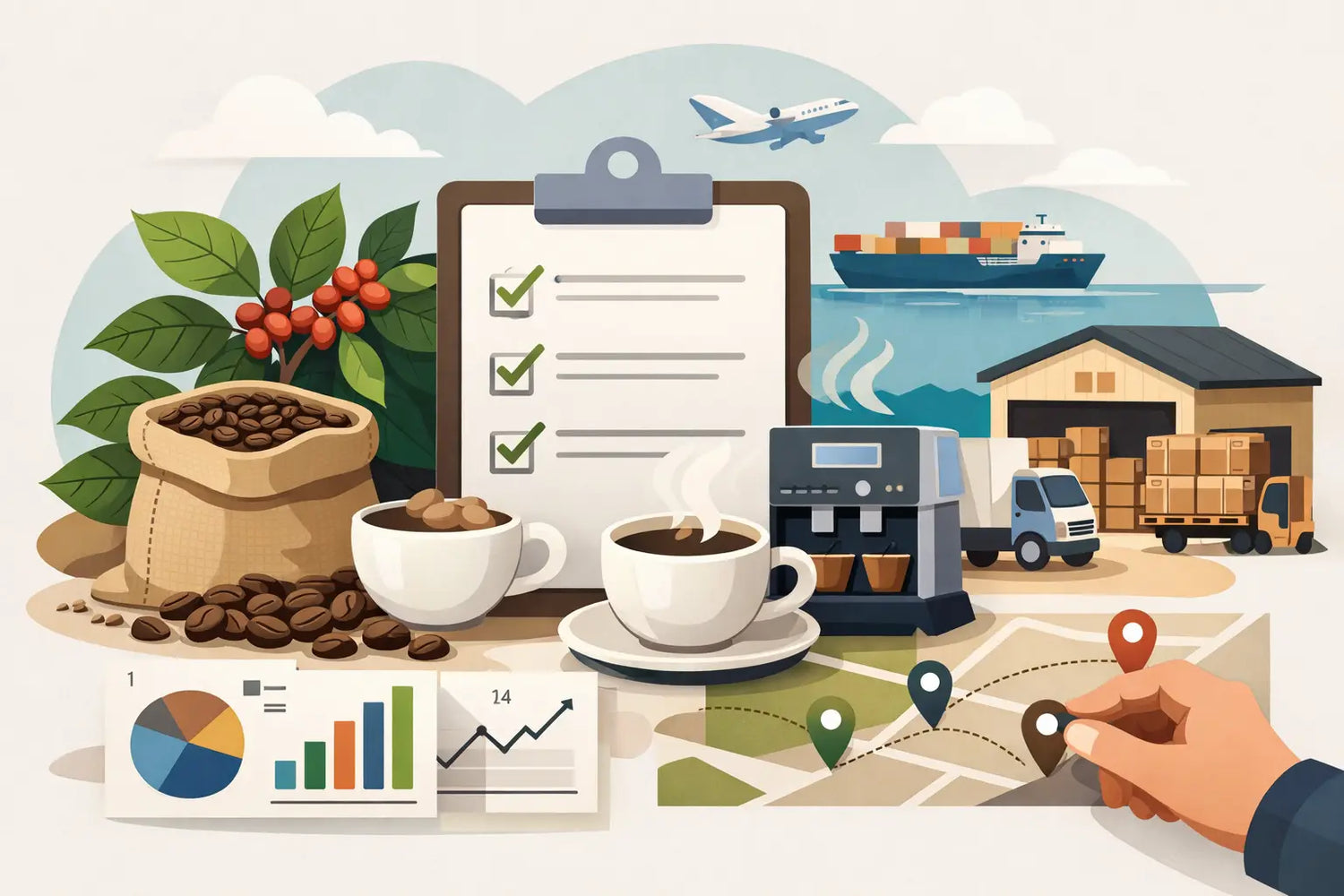
The empty coffee bag is rarely the real problem. It is the meeting that starts without coffee, the office manager making a last-minute supply run, and the guest who receives a weak cup from a neglected machine. Effective coffee supply management prevents those moments by treating coffee as a managed workplace service, not another item on a purchasing checklist.
For offices, residential buildings, coworking spaces, hospitals, and dealerships, the goal is straightforward: every person should be able to get a quality drink quickly, while the team responsible for the location spends less time tracking beans, cups, cleaners, repairs, and invoices. That requires more than keeping a cabinet full. It requires a plan built around actual consumption, equipment performance, and dependable support.
Why Coffee Supply Management Is a Workplace Issue
Coffee affects the rhythm of a workplace. Employees use it to start the day, reset between tasks, and connect with colleagues. Guests often form an impression of a business within minutes of arriving. A premium cup does not replace excellent service, but it quietly reinforces that the workplace is prepared, welcoming, and attentive to detail.
The operational side is just as significant. A traditional breakroom setup can create an awkward chain of responsibilities: one person orders coffee, another buys milk or cups, someone else notices the machine needs cleaning, and a facilities team member calls for service when it stops working. Stockouts and equipment downtime are not dramatic on their own, but they add friction to already busy days.
A managed program shifts that burden away from internal teams. Instead of asking whether there are enough supplies for next week, decision-makers can focus on whether the beverage experience is meeting the needs of employees, residents, patients’ families, clients, or visitors.
Start With Consumption, Not Equipment
The right system begins with how people use the space. A 30-person office with steady weekday traffic has different needs than a coworking location with fluctuating membership, a hospital waiting area, or an automotive dealership serving customers throughout the day.
Estimate daily cup volume, but do not stop there. Consider peak periods. Many locations see a rush during the first hour of the morning, another after lunch, and occasional spikes during meetings or events. A machine that looks sufficient on a daily volume worksheet may create a line when several people want drinks at once.
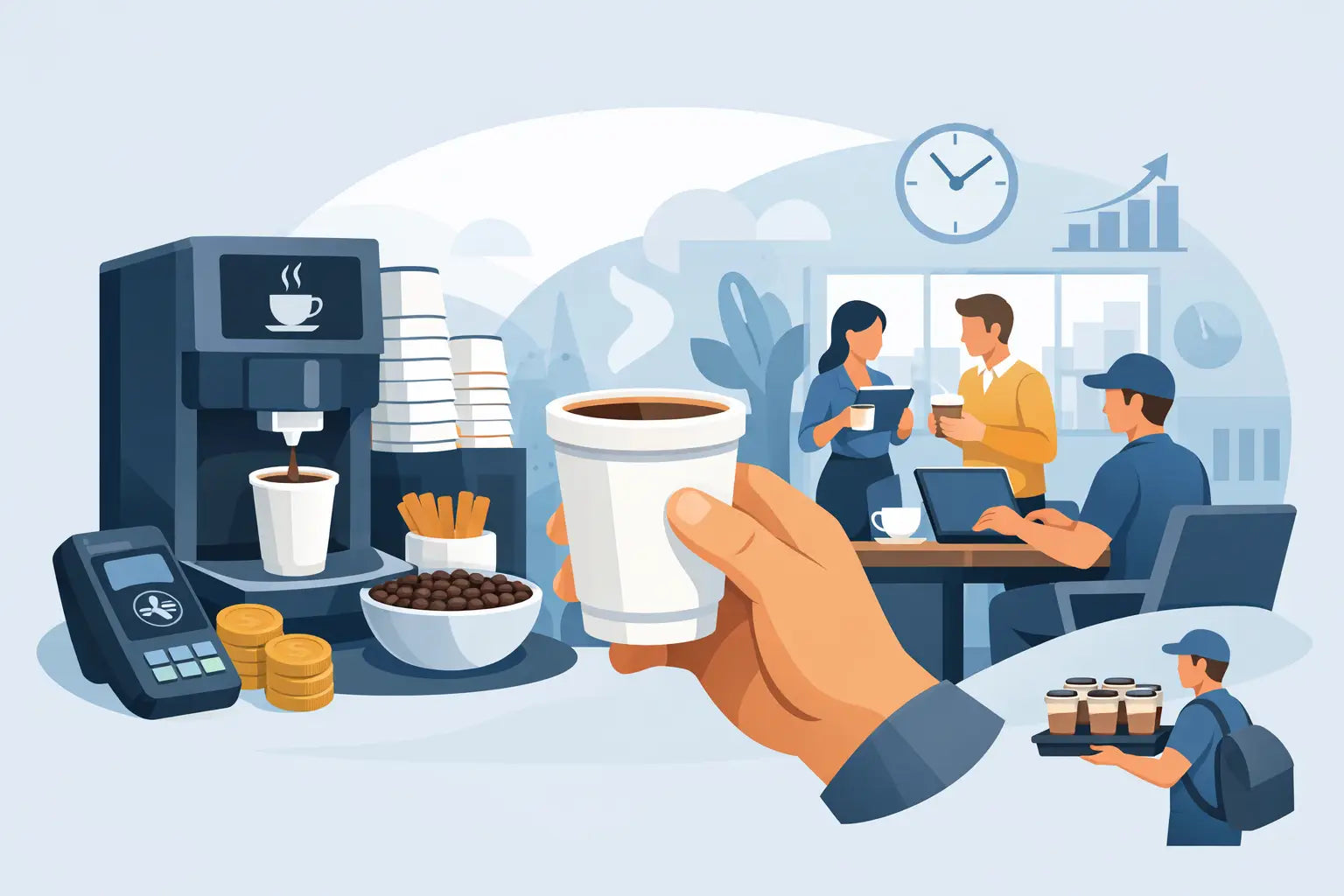
Drink preferences matter, too. Some workplaces want straightforward coffee and espresso. Others benefit from a broader menu that includes cappuccinos, lattes, hot chocolate, and flavored options. Fully automatic bean-to-cup machines make that variety practical because they grind whole beans and prepare customized drinks on demand, often in under 60 seconds.
Space is another real constraint. Counter depth, water access, electrical placement, traffic flow, and nearby storage all affect the best setup. A good provider designs around the location rather than placing a standard machine in every building and hoping it fits.
What a Complete Coffee Supply Program Should Cover
Coffee supply management works best when it is one coordinated service. Buying premium beans is valuable, but it does not solve the restocking, cleaning, maintenance, and performance questions that come with serving coffee every day.
A complete program should account for the essentials:
- Fresh whole beans matched to the expected volume and drink menu
- Cups, lids, sweeteners, stirrers, milk options, and other consumables
- Machine cleaning products and scheduled care
- Preventive maintenance and responsive repairs
- Inventory monitoring and replenishment that reflect actual use
- Clear billing that makes monthly costs easy to understand
The best model removes the need to coordinate multiple vendors. It creates one accountable partner for coffee quality, equipment uptime, supplies, and service.
Choose Fresh Quality Over Convenience Waste
Pods can seem convenient because each serving is pre-measured. For a workplace, though, that convenience often comes with visible waste, inconsistent inventory, and limited drink flexibility. Boxes of capsules take up storage space, run out unexpectedly, and leave behind a steady stream of single-use materials.
A capsule-free bean-to-cup system takes a different approach. Whole beans are ground only when a drink is selected, which supports a fresher taste and a more premium experience. It also reduces the packaging burden associated with individual servings.
There are trade-offs. Bean-to-cup equipment needs proper cleaning and reliable maintenance. That is precisely why the service model matters. When cleaning products, care schedules, and technician support are included, workplaces can get the quality benefit of fresh coffee without assigning machine upkeep to an office administrator or front-desk team.
For organizations with sustainability goals, this approach can also support a more thoughtful breakroom strategy. Waste reduction should not mean asking employees to accept lower-quality coffee. The stronger choice is to pair less single-use packaging with a beverage experience people genuinely want to use.
Build Cost Control Into the Service Model
Coffee costs can become difficult to manage when expenses are scattered across grocery purchases, online orders, machine rentals, repair calls, and emergency restocking. The issue is not simply the price of a cup. It is the lack of visibility into what the workplace is actually spending to keep coffee available.
A pay-per-cup model can make costs more predictable by tying the program to real usage. It also avoids a common frustration: paying equipment rental fees before the machine has delivered much value. When supplies, maintenance, and service are part of the program, decision-makers can budget around one clear coffee solution rather than a collection of smaller, harder-to-track purchases.
This model is not identical for every location. A high-volume hospital or coworking space may need a different machine mix and replenishment cadence than a boutique professional office. The point is not to force every workplace into the same package. It is to align capacity, service, and cost with demand.
Protect Uptime Before There Is a Problem
Most workplace teams do not want to become coffee-equipment experts. They should not have to diagnose grinder issues, track filter changes, or determine whether an error message requires a reset or a technician. Yet those tasks often fall to whoever is nearest to the machine.
Preventive care changes the experience. Regular cleaning and maintenance help protect beverage quality while reducing avoidable downtime. Responsive service matters when an issue does occur, especially in client-facing environments where an out-of-order machine is noticeable.
Ask a prospective provider practical questions. Who handles routine maintenance? Are cleaning supplies included? How are service requests submitted? What happens if the machine is not performing as expected? Is there a plan for high-volume periods? Clear answers reveal whether the provider is selling equipment or managing an ongoing service.
With more than 2,000 installed machines and 40,000 daily cups served, The Coffee Corp approaches those questions as part of the everyday workplace experience, not as an afterthought once a machine is installed.
Make Coffee Part of a Better Beverage Experience
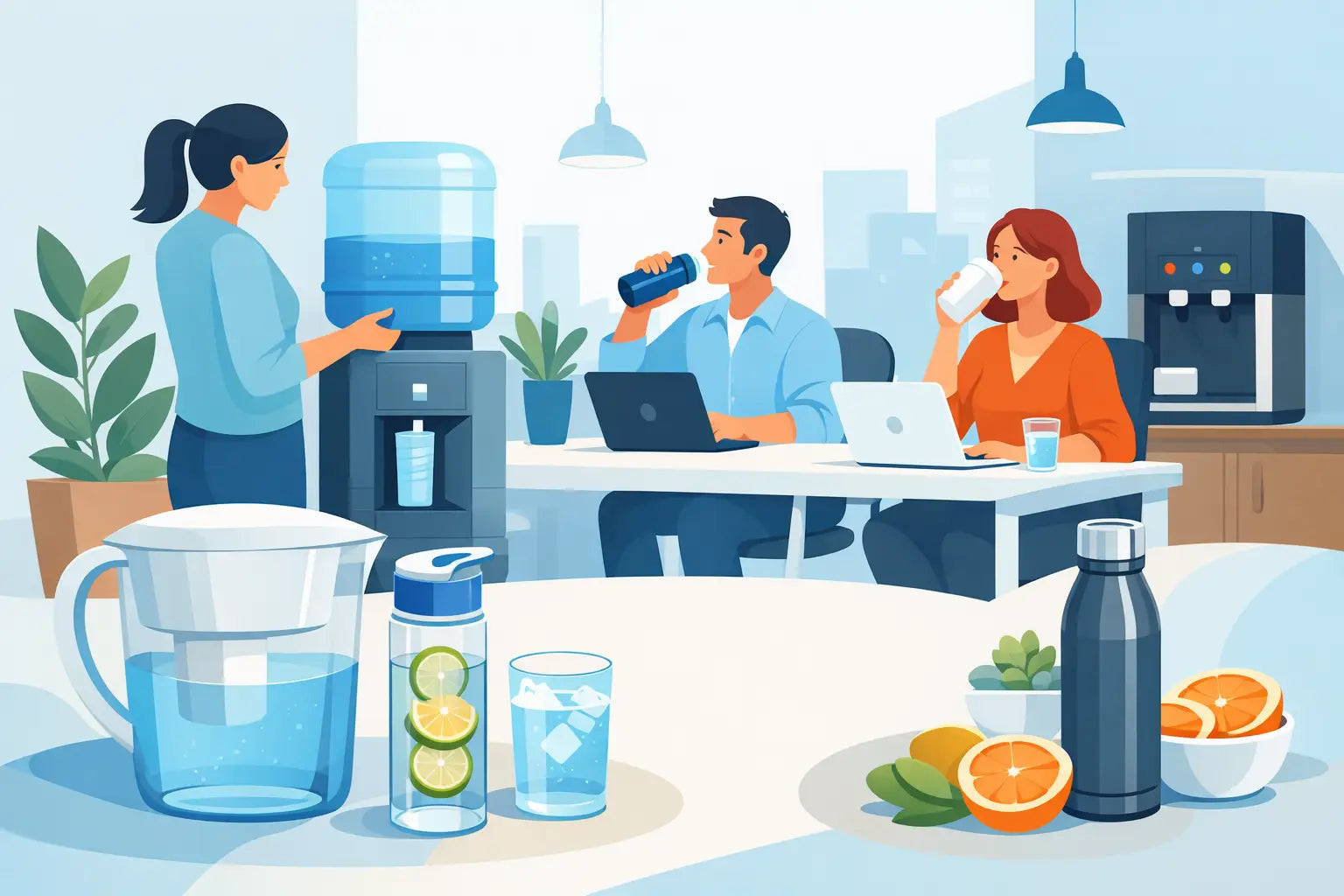
Coffee rarely stands alone in the modern workplace. Employees and visitors also expect accessible water, ice, and alternatives to bottled drinks. Combining coffee with water coolers, ice solutions, or flavored-water options can reduce vendor complexity and make the breakroom or hospitality area more useful throughout the day.
This is especially valuable in South Florida, Orlando, Tampa, and Raleigh, where hydration is a practical part of employee comfort and guest service. A workplace that offers fresh coffee in the morning and appealing water options all day gives people more reasons to use the space, pause, and recharge.
The setup should still feel simple. Too many machines, scattered supplies, and unclear ownership can make an amenity area look cluttered rather than premium. The strongest beverage stations are intuitive: drinks are easy to select, supplies are available, surfaces are clean, and the equipment fits the space.
A Better Standard for the Breakroom
Coffee supply management is successful when nobody needs to think about it. Employees get a freshly prepared drink that matches their preference. Guests see a polished hospitality touch. Facilities and operations teams avoid supply runs, surprise repairs, and the recurring question of who is responsible for the coffee.
That kind of consistency is not accidental. It comes from choosing a program that combines premium beans, professional equipment, intelligent replenishment, and service that stays involved after installation. Give your workplace a coffee experience that keeps pace with the people who rely on it every day.

Leave a comment
This site is protected by hCaptcha and the hCaptcha Privacy Policy and Terms of Service apply.