

A well-run office beverage program is easy to overlook until it fails. The coffee tastes stale, the water station is empty, ice runs out before a client meeting, or someone is stuck placing another supply order. This office beverage program guide is built for the teams responsible for preventing those moments while creating a workplace people enjoy returning to.
Coffee and hydration are not minor details. They influence how employees start the day, how teams connect between meetings, and how visitors experience your organization. The right setup should feel premium to the person using it and effortless to the person managing it.
Start With the Experience You Want to Create
Before comparing machines or drink menus, decide what your beverage service needs to accomplish. A 20-person office with a steady weekday schedule has different needs from a busy coworking space, hospital waiting area, residential amenity floor, or automotive dealership showroom.
For employees, the goal may be a reliable breakroom that supports focus, conversation, and everyday convenience. For guests, it may be a polished hospitality touchpoint that says your organization pays attention to the details. In many workplaces, it is both.
Think about the people using the space, not just the number of employees on a lease. Include hybrid work patterns, client traffic, shift changes, meeting rooms, and seasonal peaks. A workplace with 60 employees may need more capacity than a 150-person office if it hosts frequent events or serves visitors all day.
Then define the standard. If your team is used to café-style drinks, a basic drip brewer and shelf-stable creamers may save money upfront but disappoint every day. If the priority is simple, dependable black coffee at volume, an elaborate beverage menu may be unnecessary. The strongest programs match the experience to actual demand rather than paying for features no one uses.
Build an Office Beverage Program Around Real Use
A successful office beverage program combines four decisions: beverage selection, equipment capacity, physical placement, and service responsibility. They work together. Choosing a great machine is only half the equation if it is undersized, inconveniently located, or left without support.
Choose coffee that earns repeat cups
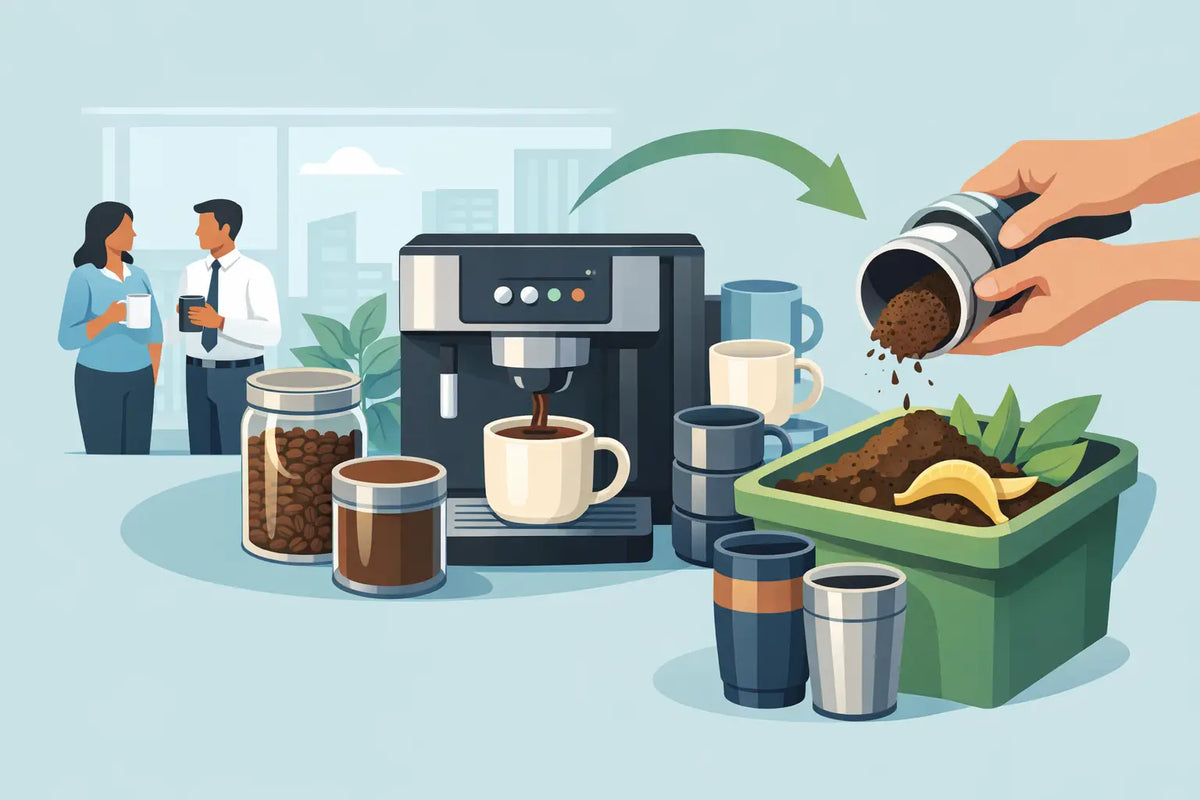
Freshness is the baseline for premium workplace coffee. Whole beans ground at the moment of preparation provide a noticeably better result than coffee that has been sitting in a pot or delivered in a pod. A professional bean-to-cup system also gives employees choice without turning the breakroom into a barista station.
Look for a menu that covers the drinks people order most often: fresh coffee, espresso, Americano, cappuccino, latte, and hot water for tea. For many offices, customized strength and milk options are valuable because they make one machine useful for more people. Preparation speed matters, too. A drink made in under 60 seconds keeps the morning rush moving and makes the amenity practical between meetings.
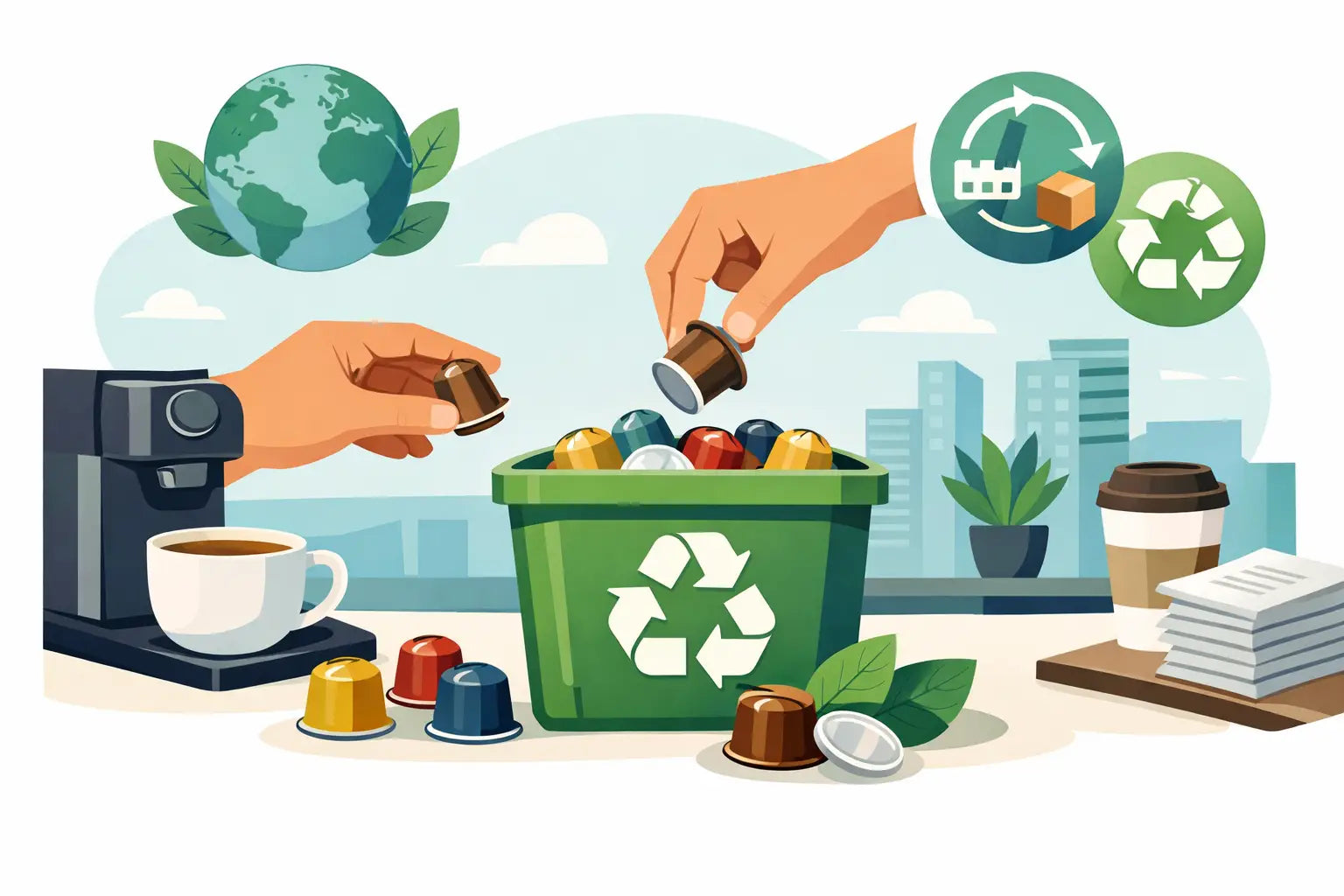
There is also a sustainability and operational case for capsule-free coffee. Pods create recurring waste, require storage, and often leave teams managing a second stream of inventory. Whole-bean systems reduce that clutter while delivering a more elevated cup.
Treat water as a daily workplace essential
Hydration deserves the same planning as coffee. Bottled water deliveries can mean heavy lifting, crowded storage areas, missed deliveries, and a constant flow of empty plastic. A plumbed-in water cooler can simplify the experience with chilled, hot, sparkling, or ambient water available where people need it.
Flavored water can add even more value in offices where employees regularly reach for canned drinks or where leaders want a healthier alternative to sugary beverages. A Bevi solution, for example, gives users a personalized, low-waste way to choose still or sparkling water and flavors without filling the refrigerator with cases of cans.
The right choice depends on your workplace habits. A compact office may only need cold and hot filtered water. A larger, high-traffic location may benefit from sparkling and flavored options that create a destination people actually use. If your organization hosts guests or offers a strong people-first culture, that upgraded hydration experience is often worth the space.
Do not overlook ice and placement
Ice is a small amenity with an outsized impact in South Florida workplaces, healthcare settings, and customer-facing businesses. It supports cold drinks, meeting service, recovery breaks, and guest comfort. If people are routinely buying bagged ice or walking to another floor to find it, the program is not designed around real behavior.
Place equipment where it will be used naturally. A central breakroom is usually the best home for coffee and water, but a large office may need a second point of service near conference rooms or a customer lounge. Avoid placing everything in a cramped copy room or behind a locked door. Accessibility drives adoption.
At the same time, check practical requirements before committing to equipment. Confirm counter space, water access, drainage needs, electrical capacity, ventilation, and clearance for refilling or service. An experienced beverage partner should assess these details before installation, not after a machine arrives.
Make Service Part of the Buying Decision
The least appealing version of an office beverage program is a collection of equipment that someone on your team has to troubleshoot, clean, stock, and replace. Facilities managers and executive assistants already have full workloads. They should not become the office coffee technician because a milk system needs attention or beans run out on a Tuesday morning.
Ask prospective providers what is included after installation. Supplies, cleaning products, preventive maintenance, repairs, and response times all affect the true cost and reliability of the program. Also ask who monitors usage and when adjustments can be made. A system that was right at 40 daily cups may not be right after a team expands or moves to more in-office days.
A managed pay-per-cup model can be a practical fit because spending aligns with consumption. Instead of purchasing equipment, paying rental fees, tracking supplies, and handling surprise repair bills separately, teams get clearer cost control with service built into the plan. It depends on the provider and agreement, so review what is covered, but the model removes a great deal of day-to-day friction.
Reliability should carry real weight in your decision. A less expensive machine that frequently goes out of service costs more than money. It interrupts routines, frustrates employees, and reflects poorly when guests are waiting. A premium program should have a clear path for maintenance and support.
Measure What Matters After Launch
You do not need a complex dashboard to know whether the program is working. Start with usage, feedback, service needs, and waste. Are people making drinks consistently? Are certain beverages unused? Does the water station reduce bottled-water purchases? Are support requests rare and resolved quickly?
Usage patterns can lead to practical improvements. If the coffee machine is busy every morning but quiet after lunch, a second machine may not be necessary. If flavored sparkling water is the most popular feature, it may make sense to expand options instead of restocking canned drinks. If employees keep asking for decaf or dairy-free choices, a simple adjustment can make the program more inclusive.
Consider the experience beyond the breakroom as well. A reliable beverage service can strengthen recruiting visits, client meetings, resident tours, and patient or customer comfort. It is a visible operational detail that tells people their time matters.
Common mistakes to avoid
The biggest mistake is selecting equipment based only on purchase price. That approach often ignores recurring consumables, service calls, downtime, labor, and waste. Another is providing too little capacity because average headcount looked manageable on paper. Morning demand and guest traffic are what stress a system.
It is also easy to overcomplicate the offering. More choices are not always better if they create long wait times, excess waste, or unnecessary costs. Focus on quality, speed, and the drinks people genuinely want. Finally, do not split ownership across multiple vendors without a clear reason. One accountable beverage partner can make ordering, support, and reporting much easier.
A Better Breakroom Starts With Less to Manage
The best workplace beverage programs feel simple because the complexity is handled behind the scenes. Employees get freshly prepared coffee, better hydration options, and a welcoming space to reset. Operations teams get dependable equipment, predictable support, and fewer supply headaches.
For offices, buildings, and customer-facing environments in Miami, Orlando, Tampa, and Raleigh, The Coffee Corp can design a managed setup around your space, consumption, and service expectations. The right program is not about adding another perk to manage. It is about giving people a better reason to gather, recharge, and get back to their best work.

Leave a comment
This site is protected by hCaptcha and the hCaptcha Privacy Policy and Terms of Service apply.