
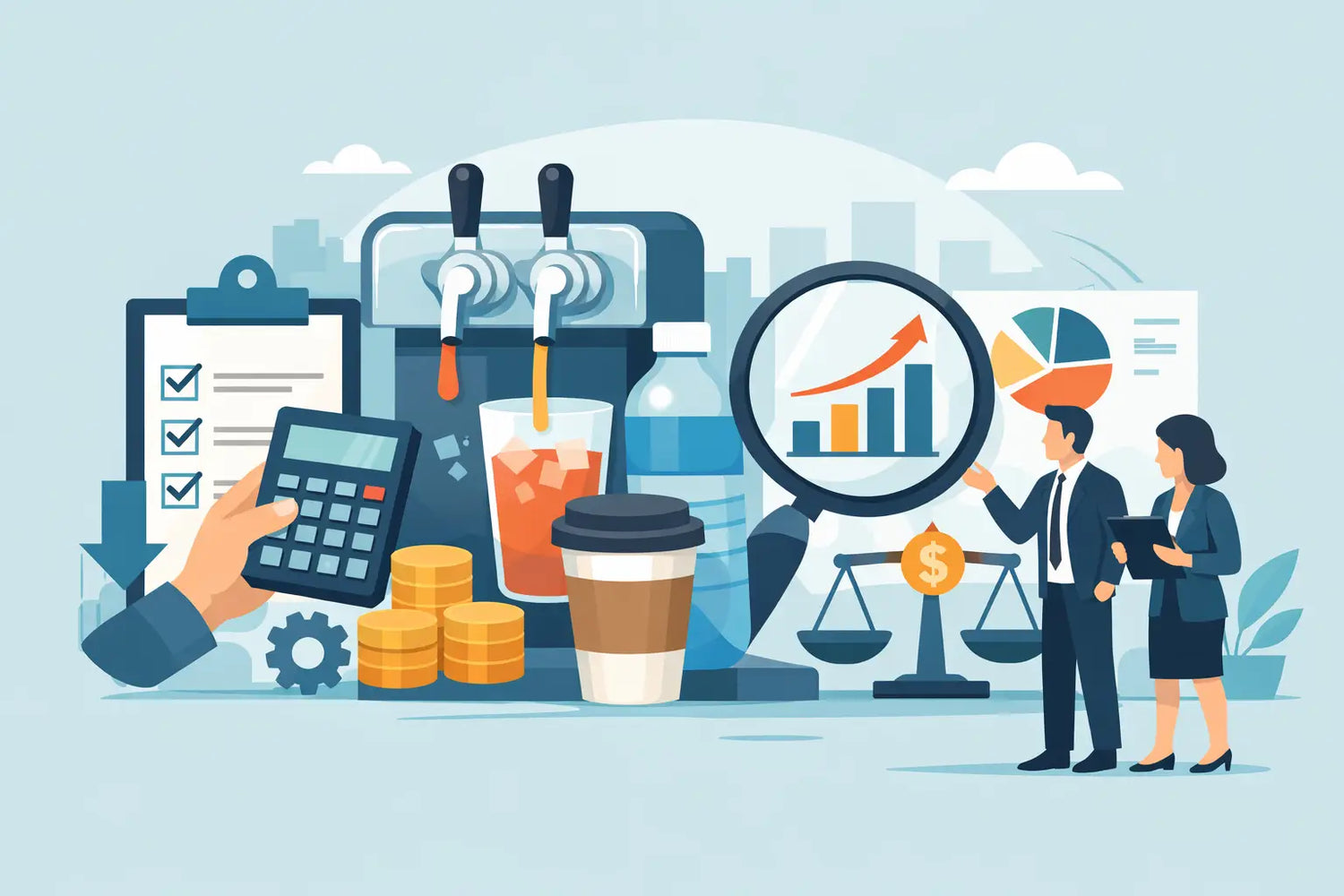
The most expensive office beverage program is rarely the one with the highest price per cup. It is the one that runs out of supplies, produces unopened cases of water, relies on inconsistent equipment, and creates a steady stream of small ordering tasks for your team. To control beverage costs, workplace leaders need to measure the full cost of keeping employees and guests refreshed, not just the invoice for coffee or bottled drinks.
A better approach protects the experience people value while removing the waste, downtime, and administrative work that quietly inflate spend. For offices, residential buildings, coworking spaces, hospitals, and dealerships, that starts with designing a beverage program around actual usage.
Start With the Real Cost Per Drink
Coffee, water, ice, flavored water, cups, filters, service calls, storage, and staff time often sit in different budget lines. That makes a basic supply invoice look less expensive than it really is. Before changing vendors or equipment, build a clear picture of what the current program requires every month.
Review beverage purchases alongside delivery fees, emergency supply runs, machine repairs, cleaning products, and the time your office or facilities team spends monitoring inventory. Include what gets discarded. Half-used bags of coffee, stale pods, expired creamers, and cases of bottled water that never make it to the breakroom are all part of the cost.
Then divide the total by estimated drinks served. You do not need perfect data on day one. A practical baseline is enough to identify where costs are drifting and whether a new setup is delivering better value.
Control Beverage Costs by Reducing Waste First
Waste is where many workplace beverage budgets lose control. A large supply order can feel efficient, but it creates risk when office attendance changes, a tenant moves out, or seasonal traffic drops. The right inventory level depends on how predictable your consumption is and how much storage you have.
Single-serve pods can offer variety, but they also make it easy to overstock flavors nobody chooses. Bottled water and canned drinks add storage demands, packaging waste, and frequent replenishment. Traditional pot coffee may be inexpensive per ounce, yet brewing too much leads directly to product poured down the drain.
Fresh, bean-to-cup coffee helps address that problem because each drink is prepared on demand. Whole beans stay protected until the machine grinds them, and employees get a fresh drink without the waste of a full pot sitting too long. Capsule-free systems also reduce the stream of used pods that must be collected, stored, and discarded.
Hydration deserves the same scrutiny. A point-of-use water or flavored-water system can replace recurring deliveries of bottles and cans while giving people a reason to choose water more often. The savings will vary based on usage, delivery pricing, and local water conditions, but the operational gains are often immediate: less storage, fewer empty containers, and fewer vendor touchpoints.
Match Equipment to Demand, Not Assumptions
An undersized machine creates lines, frustration, and maintenance strain. An oversized setup can tie up budget in capacity your location will not use. The most effective beverage programs begin with a simple question: who is drinking what, when, and where?
A 30-person office with staggered schedules has different needs than a busy dealership showroom or a hospital staff area operating around the clock. Coworking spaces may see intense morning demand and fluctuating guest traffic. Residential amenity spaces may need a polished self-service experience with limited on-site oversight.
Look at headcount, visitor volume, peak periods, available counter space, plumbing access, and preferred drink types. If your team wants espresso drinks, regular coffee, decaf, hot chocolate, or flavored water, the system should deliver those choices without requiring separate appliances and supply chains.
Speed matters, too. Professional bean-to-cup machines can prepare customized drinks in under 60 seconds, which supports a better employee and guest experience without creating a café-style staffing requirement. The goal is not to add more equipment. It is to give each location the right capacity and beverage mix.
Choose a Cost Model That Makes Spending Predictable
Buying equipment can appear less expensive at first, especially when comparing only the purchase price with a managed service fee. But ownership shifts responsibility for maintenance, repairs, water filtration, supplies, troubleshooting, and replacement equipment onto your team. That can make budgeting difficult when a machine fails or usage changes.
A managed pay-per-cup model gives many organizations a clearer path. Instead of paying rental fees while separately purchasing beans, consumables, and service, you pay based on the drinks your workplace actually uses. Supplies, maintenance, and support can be built into the program, turning several moving costs into one more predictable operating expense.
This model is not automatically the best fit for every site. A very low-volume location may need a simpler arrangement, while a high-traffic environment should review volume pricing and equipment capacity closely. What matters is transparency. Ask exactly what is included, what triggers additional charges, how service is handled, and how often consumption data is reviewed.
Make Accountability Easy for Your Team
A beverage program should not require an employee to become a part-time inventory manager. If someone is regularly checking bean levels, ordering cups, calling for repairs, moving bottled water, and explaining machine instructions to visitors, the program is carrying hidden labor costs.
Set clear ownership, but keep the process light. Your provider should make it easy to understand supply levels, request service, and adjust the setup as your needs change. Regular check-ins are especially useful after a move, office expansion, return-to-office shift, or changes in tenant occupancy.
For facilities and operations teams, reliable service coverage is as valuable as the machine itself. Downtime does more than interrupt coffee. It sends employees to nearby cafés, creates front-desk complaints, and weakens a hospitality amenity that was meant to work quietly in the background.
Use Beverage Data to Guide Decisions
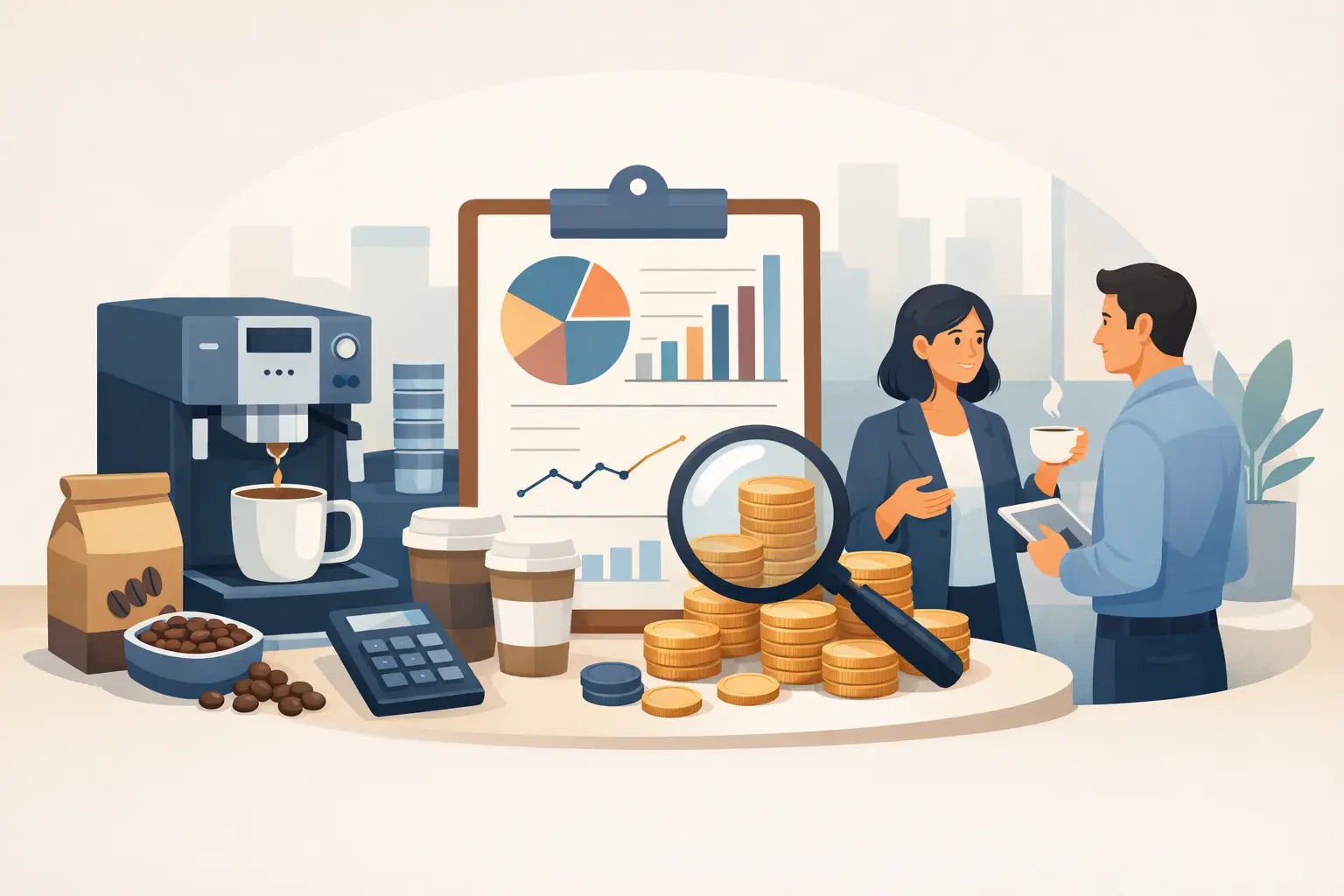
The best way to keep costs under control is to respond to real behavior. Track total cups, top drink selections, peak-use periods, supply usage, and service activity. This information helps you spot whether the office needs a second machine, a different drink menu, or fewer slow-moving consumables.
Do not treat higher consumption as a problem by default. If more employees are using the system because the coffee is better, the program may be doing exactly what it should: supporting workplace satisfaction, productivity, and connection. The question is whether the increased use is planned, affordable, and supported by the right service model.
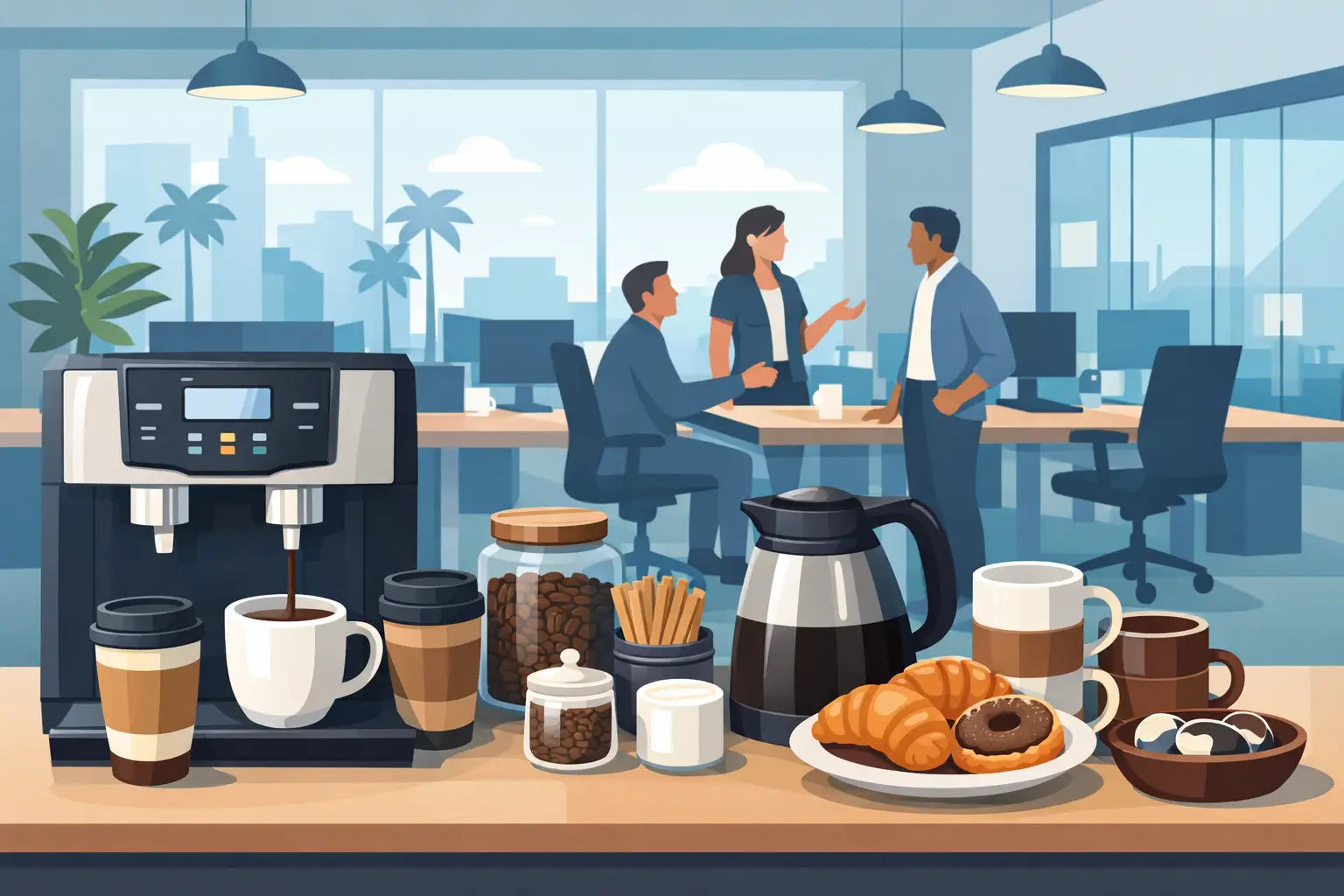
A strong program also lets you make intentional trade-offs. You may decide that premium coffee is worth more than a basic breakroom setup because it improves recruitment, retention, and guest hospitality. Or you may consolidate beverage options to reduce waste while preserving the choices people use most. Cost control is not about making the experience smaller. It is about spending where the experience delivers value.
Build a Program That Can Adapt
Workplaces change faster than most beverage contracts. Teams grow, schedules shift, and amenities become more important when people have choices about where they work. Build flexibility into your plan so you can add capacity, change drink options, or introduce hydration features without starting over.
The Coffee Corp designs managed coffee and hydration setups around each location's space and consumption, helping workplace teams move beyond one-size-fits-all ordering. For organizations in Miami, Orlando, Tampa, and Raleigh, local service support can also reduce the burden of maintaining a premium amenity across multiple sites.
The right beverage program should make the daily cup feel effortless for employees and guests, while giving decision-makers a clear view of what they are paying for and why. When quality, usage, service, and waste are managed together, every cup has a better chance of earning its place in the budget.

Leave a comment
This site is protected by hCaptcha and the hCaptcha Privacy Policy and Terms of Service apply.